
Latin America is at a crossroads in its pursuit of a sustainable future. Rich in natural resources yet grappling with the environmental and economic consequences of fossil fuel dependence, the region faces both urgent challenges and remarkable opportunities. Rapid urbanization, population growth, and industrial development are increasing energy demand, placing pressure on traditional power sources that contribute to pollution, greenhouse gas emissions, and climate vulnerability.
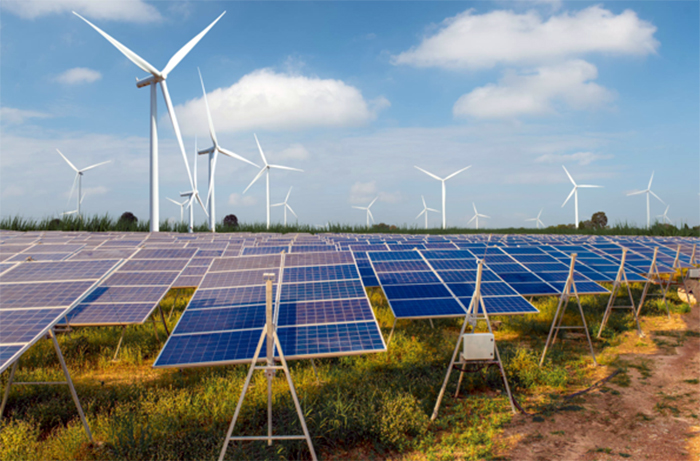
In this context, renewable energy has emerged as a transformative solution. From the sun-drenched deserts of northern Chile to the windy plains of Argentina and the vast rivers of Brazil, Latin America possesses immense potential to harness solar, wind, hydro, and geothermal energy. These technologies not only offer cleaner alternatives to fossil fuels but also provide economic, social, and environmental benefits—creating jobs, boosting energy security, and helping countries meet global climate targets.
As governments, businesses, and communities increasingly embrace renewable energy, Latin America is beginning to reshape its energy landscape. The region’s journey toward sustainability is more than a technical shift—it represents a vision for a resilient, equitable, and prosperous future powered by clean energy. Understanding the role of renewable energy in this transformation is crucial to appreciating how Latin America can lead the way in global sustainability efforts.
Current Energy Landscape in Latin America
Latin America’s energy landscape is diverse, reflecting the region’s vast geography, natural resources, and levels of industrial development. Historically, fossil fuels such as oil and natural gas have dominated the energy mix, providing reliable power but contributing significantly to carbon emissions and environmental degradation. This dependence also exposes countries to fluctuating global energy prices, making energy security a persistent concern.
At the same time, renewable energy is steadily gaining ground. Hydropower remains a cornerstone in countries like Brazil, Colombia, and Paraguay, while solar, wind, and bioenergy projects are expanding rapidly across the region. These developments leverage Latin America’s natural advantages, from sun-drenched deserts to windy plains and abundant river systems. Despite this progress, challenges like aging infrastructure, unequal access in rural areas, and limited grid integration continue to slow the full transition to sustainable energy.
The rise of the digital economy is also shaping energy demand. As more people engage in online activities—ranging from remote work to entertainment and gaming—the need for reliable electricity grows. Millions of users, for instance, depend on uninterrupted access when logging into platforms like 1xbet login, highlighting how modern digital lifestyles place additional pressure on energy systems. This underscores the urgency for Latin America to adopt cleaner, more resilient energy solutions that can support both industrial growth and the expanding digital world.
Types of Renewable Energy in the Region
Latin America is blessed with a diverse range of natural resources, making it one of the most promising regions in the world for renewable energy development. Several types of clean energy are transforming the region’s power landscape, each offering unique benefits and challenges.
- Hydropower
Hydropower has long been the backbone of Latin America’s renewable energy sector. Countries like Brazil, Paraguay, and Colombia rely heavily on river systems to generate electricity, with massive hydroelectric plants such as Brazil’s Itaipu Dam serving as global benchmarks. Hydropower provides a reliable, large-scale energy supply, though it can be affected by seasonal water variability and environmental concerns related to river ecosystems.
- Solar Energy
The region’s high solar potential, especially in countries like Chile, Mexico, and Argentina, has spurred a rapid increase in solar farms. Solar power offers a flexible solution that can serve both urban centers and remote communities. Technological advancements and falling costs are making solar energy increasingly accessible, allowing households and businesses to generate their own electricity efficiently.
- Wind Energy
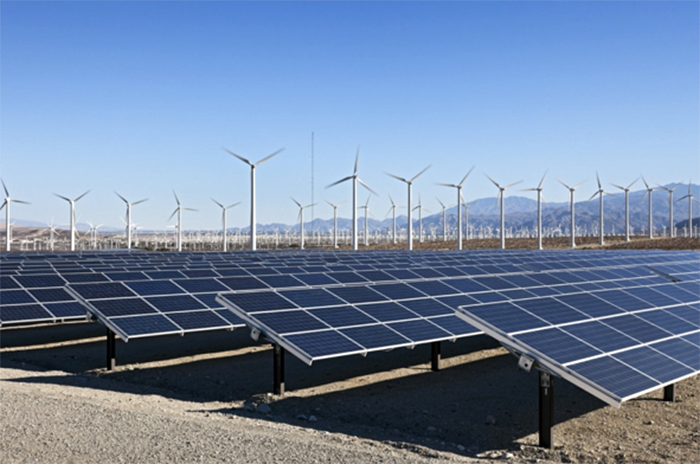
Wind power is growing fast in Latin America, particularly in coastal regions and high-altitude plains. Argentina, Uruguay, and Brazil are leading the way with large-scale wind farms that complement other renewable sources. Wind energy provides clean electricity without greenhouse gas emissions, though its output can fluctuate depending on local weather patterns. - Bioenergy and Geothermal
Bioenergy, derived from agricultural residues and waste, is gaining traction in countries with strong agricultural sectors. Meanwhile, geothermal energy is emerging in geologically active areas such as Central America, offering a stable and sustainable power source.The expansion of these renewable energy types is not only reshaping national energy grids but also supporting growing digital and online activities. As more people rely on consistent electricity for entertainment, remote work, and online platforms, access becomes crucial. Millions of users, for example, engage daily with services like 1xbet online which require uninterrupted connectivity, underscoring the importance of reliable and clean energy sources in today’s digital age.
Economic and Social Benefits
The transition to renewable energy in Latin America brings significant economic and social advantages. Investments in clean energy technologies stimulate job creation across multiple sectors, including manufacturing, installation, maintenance, and research and development. Large-scale renewable projects often require local labor, boosting employment in both urban and rural areas while supporting broader economic growth.
Renewable energy also enhances energy security and financial stability. By reducing reliance on imported fossil fuels, countries can protect themselves from global price fluctuations and achieve greater long-term energy independence. For households and businesses, adopting solar panels, wind turbines, and other renewable technologies can lower energy costs and provide more predictable electricity pricing, improving quality of life and encouraging entrepreneurship.
Social benefits extend beyond economics. Cleaner energy reduces air pollution and greenhouse gas emissions, leading to improved public health outcomes. Communities near renewable energy projects often gain access to better infrastructure, such as roads and electricity networks, which can enhance education, healthcare, and overall living standards.
In essence, renewable energy in Latin America is not just an environmental initiative—it is a catalyst for sustainable economic growth, social development, and technological advancement, providing a stronger foundation for the region’s future.
Policy and Investment Landscape
The growth of renewable energy in Latin America is closely tied to supportive policies and strategic investments. Governments across the region are increasingly recognizing the importance of clean energy for economic development, climate mitigation, and energy security. Incentives such as tax breaks, subsidies, and favorable tariffs encourage private sector participation and make renewable projects more financially viable. Countries like Chile, Mexico, and Brazil have implemented clear regulatory frameworks that promote both large-scale renewable projects and distributed energy solutions, creating a favorable environment for investors.
Regional cooperation also plays a key role in shaping the investment landscape. Cross-border energy initiatives, such as shared electricity grids and renewable energy trade agreements, enable countries to optimize resource use and strengthen energy security. International organizations and development banks are providing financing and technical support, helping nations overcome initial investment barriers and adopt advanced technologies.
Private sector investment is rapidly expanding, driven by global trends toward sustainable finance and corporate responsibility. Large energy companies, startups, and technology providers are increasingly entering the Latin American market, attracted by abundant natural resources and growing energy demand. Public-private partnerships are becoming more common, combining government support with private expertise and capital to develop innovative and scalable renewable projects.
Despite these positive trends, challenges remain. Regulatory uncertainties, bureaucratic hurdles, and political instability can slow project implementation. Long-term success depends on consistent policies, transparent governance, and continued collaboration between governments, private investors, and local communities.
In summary, the policy and investment landscape in Latin America is evolving to support renewable energy growth. With the right mix of incentives, partnerships, and strategic planning, the region has the potential to attract substantial investment, accelerate the adoption of clean energy, and secure a sustainable and resilient energy future.